


Introduction
In 2026, healthcare professionals face unprecedented challenges in infection prevention and control (IPC). Beyond hand hygiene, surface sanitation, and proper PPE use, the role of clinical apparel—particularly antimicrobial scrubs—has garnered heightened interest. Antimicrobial scrubs represent a new frontier in protecting both healthcare workers and patients from harmful pathogens transmitted through contaminated clothing. This article explores the latest technology, clinical evidence, real-world adoption, and future direction of antimicrobial scrubs.
What Are Antimicrobial Scrubs? Technology Defined
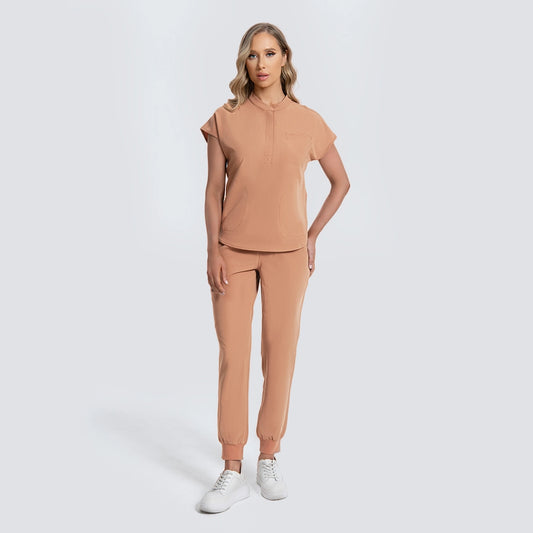
Antimicrobial scrubs are medical uniforms that incorporate engineered textile treatments designed to inhibit microbial growth on fabric surfaces. Unlike traditional scrubs that simply cover healthcare workers, antimicrobial scrubs actively reduce the presence or proliferation of bacteria, fungi, and certain pathogens through specialized finishings or embedded agents.
How Antimicrobial Textiles Work
Antimicrobial activity in scrubs occurs through several mechanisms:
- Contact Killing: Bacteria or fungi that touch the fabric are neutralized by antimicrobial agents such as silver ions, zinc pyrithione, or novel polymer coatings.
- Growth Inhibition: Treated fibers prevent organisms from replicating on the surface.
- Odor Control: Reducing microbial growth limits bad odors, improving comfort for wearers.
These textiles are processed during manufacturing so that the antimicrobial agents are bound to fibers and remain effective even after repeated laundering.

The Science Behind Antimicrobial Fabric Technologies
Antimicrobial technology in textiles represents advanced fabric engineering with roots in materials science and microbiology. Techniques include nanoparticle embedding, chemical surface coating, and antimicrobial fiber integration.
Common Antimicrobial Agents Used in Fabric
- Silver-based treatments: Known for broad antimicrobial spectrum.
- Zinc pyrithione-embedded fabrics: Shown to lower pathogen proliferation in clinical trials.
- Polymer antimicrobial coatings: Provide a durable protective layer on textile surfaces.
The goal is to maintain antimicrobial effectiveness without compromising breathability, comfort, or durability—essential for the long shifts and heavy use healthcare professionals endure.

Clinical Evidence — What Research Says
Clinical evidence regarding antimicrobial scrubs has been evolving. While antimicrobial textiles are widely promoted, rigorous research has been mixed.
Recent Clinical Studies
- A November 2025 randomized controlled trial found that scrubs treated with zinc pyrithione plus a hydrophilic fluorocarbon resin showed significantly lower pathogen proliferation compared with untreated scrubs.
- Certain novel commercially validated antimicrobial scrub products have shown statistically significant bacterial reduction in real clinical environments compared with standard scrubs.
Limitations and Mixed Results
Other older trials have demonstrated mixed outcomes. Some studies found no significant reduction in bacterial contamination between antimicrobial scrubs and standard scrubs after clinical use. The evidence suggests that antimicrobial technologies might reduce surface burden in specific contexts but may not alone prevent all contamination.
Academic Systematic Reviews
Historical reviews concluded that healthcare attire, including scrubs, can harbor multidrug-resistant organisms, but the direct link to patient infections remains complex and multifactorial.
Real-World Adoption in Healthcare Facilities
In 2026, real-world adoption of antimicrobial scrubs is rising, especially in hospitals prioritizing strict IPC protocols.

Institutional Integration Examples
- Major manufacturers have brought clinically validated antimicrobial scrub lines to large retail and institutional channels, making them accessible to a wider pool of healthcare workers.
- Healthcare facilities in the U.S., Canada, and Europe are exploring procurement of antimicrobial scrubs as part of broader hygienic apparel strategies, particularly in high-risk departments such as emergency, ICU, and infectious disease wards.
Adoption Barriers
- Cost considerations: Antimicrobial finishes and clinical validation increase price.
- Policy gaps: Some hospitals remain cautious due to mixed evidence and lack of regulatory standards.
- Maintenance: Even treated scrubs require regular laundering and proper hygiene protocols.
Benefits for Healthcare Workers and Patients
Enhanced Infection Support
- Reduce surface bacterial load on fabrics between wash cycles.
- Complement infection control strategies by providing additional defense at the garment level.
Workplace Comfort and Performance
- High-performance fabrics with moisture-wicking and breathable textiles for long shifts.
- Odor resistance for improved comfort.
Professional Confidence
Healthcare professionals often value apparel that aligns with modern IPC protocols and reflects evidence-based practice.

Challenges, Misconceptions & Best Practices
Common Misconceptions
- Antimicrobial scrubs eliminate infection risk: False — hygiene practices remain indispensable.
- They last forever: Antimicrobial performance can diminish with repeated washing unless the technology is durable and clinically validated.
Best Practices
- Choose products with clinical data or peer-reviewed studies.
- Follow proper laundering procedures recommended by manufacturers.
- Use antimicrobial scrubs as part of a broader IPC framework that includes hand hygiene, surface disinfection, and appropriate PPE.
The Future of Antimicrobial Scrubs in Healthcare
Emerging Trends
- Bio-based antimicrobial agents: Eco-friendly solutions with effective microbial control.
- Next-generation smart textiles: Potential integration with sensors or real-time contamination detection systems.
- Stronger market growth: The antimicrobial textile sector is expected to grow substantially from 2026 onward, driven by global infection control priorities.
Regulatory and Policy Movement
Healthcare policies in the U.S. and Europe may increasingly focus on textile standards that balance safety, comfort, and performance.
Conclusion
In 2026, antimicrobial scrub technology stands at the intersection of clinical evidence, practical adoption, and textile innovation. While research continues to refine understanding of their true clinical impact, real-world implementations suggest they can contribute meaningfully to IPC strategies when used correctly and in combination with hygiene best practices. For healthcare professionals, antimicrobial scrubs represent a testament to how apparel can evolve from functional uniform to an integral part of modern infection prevention. Continued innovation and clinical validation will further shape their role in healthcare settings globally.

Frequently Asked Questions (FAQ)
Do antimicrobial scrubs prevent hospital-acquired infections?
They may reduce surface microbial burden but do not replace core IPC practices like hand hygiene and PPE.
Are antimicrobial scrubs clinically proven?
Several trials show significant reduction of surface bacteria, but evidence is mixed; clinical validation remains crucial.
How long does antimicrobial effectiveness last?
Effectiveness varies by treatment type and laundering practices; manufacturers should provide guidance.
Should all healthcare workers wear antimicrobial scrubs?
Not mandatory yet, but increasingly recommended in high-risk units and environments focused on infection prevention.
References
- Antimicrobial treated scrubs demonstrated reduced pathogen proliferation in a 2025 randomized controlled trial. https://pubmed.ncbi.nlm.nih.gov/40749872/
- iFabric's Frontline™ clinically validated antimicrobial scrubs launched in major markets in 2026. Source
- Antimicrobial scrubs are engineered with textile treatments to inhibit microbial growth. KungFu Scrubs Blog
- Global antimicrobial textile markets are rapidly growing and expected to expand significantly post-2026. GM Insights
- Advanced antimicrobial textile research and production techniques provide insight into future innovations. MDPI