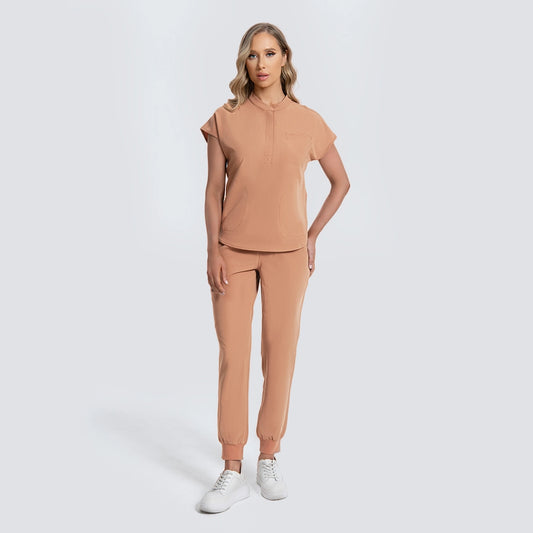



Every healthcare role has its own rhythm. Nurses may walk several miles during a shift, doctors move between consultations and procedures, dental teams work in close treatment spaces, and veterinary professionals regularly kneel, lift and handle unpredictable animals.
Although they may all wear scrubs, they do not necessarily need the same uniform.
The best scrubs should match the wearer’s responsibilities, workplace and daily movement. A feature that is essential for a nurse may be less important to a dentist, while fabric that performs well in a quiet clinic may not be durable enough for veterinary work.
Here is how to choose scrubs for nurses, doctors, dental professionals and veterinary teams.
What Should Every Healthcare Professional Look for in Scrubs?
Before comparing different professions, several features are useful in almost every healthcare environment.
Comfortable Movement
Scrubs should allow the wearer to bend, reach, sit, lift and walk without pulling across the shoulders, waist, hips or knees. Stretch fabric can make these movements more comfortable while helping the garment maintain a clean silhouette.
Reliable Coverage
A scrub set may appear perfectly fitted while standing but shift significantly during movement. Test the uniform by reaching overhead, bending forward, sitting and squatting. The neckline, waistband and back of the pants should remain secure.
Breathable Fabric
Healthcare environments can become warm, especially during busy shifts or when protective equipment is required. Lightweight, breathable fabric may improve comfort and reduce unnecessary bulk.
Practical Pockets
Pockets should match the wearer’s actual tools. Deep compartments, divided sections and secure closures are usually more useful than numerous shallow pockets.
Easy Care
Scrubs are washed frequently. Fabric that resists excessive shrinking, fading and wrinkling can remain professional for longer. Always follow the garment’s care instructions and workplace laundering policies.
Best Scrubs for Nurses
Nurses need scrubs designed for constant movement. A typical shift may involve walking between rooms, assisting patients, lifting supplies, bending beside beds and responding quickly when priorities change.
Four-way-stretch fabric is especially useful because it supports movement in multiple directions. A slightly relaxed top with side vents can provide room through the shoulders and hips, while stretch scrub pants make squatting and kneeling easier.
Pocket organization is another priority. Nurses may carry pens, folded notes, scissors, alcohol pads and other approved essentials. Useful options include:
-
Deep front pockets
-
Divided pen compartments
-
A secure cargo pocket
-
An identification badge loop
-
A phone pocket positioned away from the knee
The waistband should remain stable throughout repeated movement. A combination of elastic and an adjustable drawstring often provides a secure fit without excessive pressure.
Jogger pants help keep hems controlled, while straight-leg scrubs offer a traditional silhouette. Both can work well when the inseam is correct and the fabric allows unrestricted movement.

Best Scrubs for Doctors
Doctors often need workwear that moves easily between patient consultations, rounds, procedures and administrative responsibilities.
Their scrubs should feel comfortable for long hours while maintaining a polished, composed appearance. Clean lines, simple necklines and streamlined pockets can create a professional silhouette without reducing functionality.
Doctors who spend significant time in procedure rooms may prefer lightweight scrubs with minimal loose details. Secure pockets can hold approved personal items without allowing them to fall out when the wearer bends or moves quickly.
Useful features include:
-
A structured but comfortable fit
-
Breathable, quick-drying material
-
Simple pocket placement
-
Wrinkle-resistant fabric
-
Straight-leg or tapered pants
-
A waistband that sits smoothly under additional layers
Navy, black, charcoal, dark green and wine are common professional colors, although workplace policies should always guide the final choice.
Scrubs should never be so fitted that they restrict reaching or sitting. A polished appearance comes from correct proportions and well-maintained fabric—not from choosing a tight uniform.

Best Scrubs for Dentists and Dental Teams
Dentists, dental hygienists and dental assistants spend much of the day leaning, reaching and working in close proximity to patients and equipment.
Their scrub tops should allow comfortable movement through the shoulders and upper back. Short, unrestricted sleeves help keep fabric away from the hands and treatment area, while a stable neckline provides coverage when leaning forward.
Dental environments may also involve water, cleaning products and small splashes. Smooth, easy-care fabric can be practical because it is less likely to feel heavy and is generally easier to inspect and maintain.
Dental teams may benefit from:
-
Lightweight, breathable fabric
-
Flexible shoulder construction
-
Short, streamlined sleeves
-
A secure neckline
-
Minimal hanging accessories
-
Pockets that do not interfere with seated work
-
Pants with comfortable stretch at the knees and hips
Large cargo pockets positioned directly over the knee may become uncomfortable while sitting. Smaller side pockets or upper pockets may be more suitable for frequently used items.
Many dental practices select coordinated scrub colors to create a consistent team appearance. Soft gray, blue, teal and green can complement a bright, clean treatment environment while remaining professional.

Best Scrubs for Veterinary Teams
Veterinary professionals need scrubs that can handle movement, animal fur, claws and frequent contact with floors, kennels and examination tables.
Veterinary technicians and assistants may kneel beside animals, lift carriers, restrain patients and move quickly between treatment areas. Their scrubs need flexibility through the shoulders, hips and knees, along with durable seams in areas exposed to repeated stress.
A smooth, tightly woven fabric may release animal hair more easily than heavily textured material. No fabric is completely fur-resistant, but some surfaces are easier to clean with a lint roller or soft brush.
Useful features for veterinary teams include:
-
Durable stretch fabric
-
Reinforced seams
-
Deep, secure pockets
-
A stable waistband
-
Jogger cuffs or correctly sized straight hems
-
Fabric that tolerates frequent washing
-
Mid-tone colors or professional animal-themed prints
Veterinary scrubs should not be treated as protection against bites or scratches. Safe animal-handling techniques, proper training and task-specific protective equipment remain essential.
Because veterinary work can involve unexpected contamination, keeping a clean backup scrub set at the clinic is particularly useful.

How Should Healthcare Teams Choose Scrub Colors?
Some facilities assign colors to identify departments or roles. Others allow employees to choose from an approved range.
When teams can select their own colors, consider the work environment as well as appearance.
Dark colors such as navy and charcoal provide dependable coverage and create a polished look. Mid-tone colors such as teal, pewter, olive and wine can be practical because they do not show every small mark or piece of lint. Pale colors can look clean and welcoming but should be checked carefully for opacity.
Veterinary and dental practices may use color to support the atmosphere of the clinic. Friendly shades and subtle prints can make the environment feel less intimidating, while coordinated solid colors create a more unified appearance.
Jogger or Straight-Leg Scrub Pants?
Neither style is best for every healthcare professional.
Jogger scrub pants keep fabric close to the ankles and prevent long hems from dragging. They work well for nurses and veterinary professionals who move frequently or kneel during the day.
Straight-leg scrub pants provide a classic appearance and may offer more room around the lower legs. They can be particularly suitable for doctors, dental professionals and anyone who prefers a traditional silhouette.
The most important factors are correct length, unrestricted movement and a waistband that stays secure.
How Many Sets of Scrubs Are Needed?
Ideally, healthcare professionals should have one clean set for each scheduled shift, plus at least one backup set.
Someone working five shifts per week may want five regular sets and one or two additional uniforms. Employees working in hot environments or roles with a higher chance of contamination may benefit from storing an extra top or complete set at work.
Rotating several uniforms also reduces how frequently each garment is worn and washed, which may help extend its useful life.
Frequently Asked Questions
Can Different Healthcare Roles Wear the Same Scrubs?
Yes, provided the uniform meets workplace requirements and supports the wearer’s duties. However, pocket placement, fabric weight and pant style may work better for some roles than others.
What Scrub Fabric Is Best?
Many professionals prefer a lightweight blend that combines durability, breathability and stretch. The best fabric depends on the workplace climate, laundering requirements and level of physical activity.
Should Scrubs Be Tight or Loose?
Scrubs should be neither restrictive nor excessively baggy. They should provide enough room for movement while remaining close enough to the body to avoid catching on equipment.
Are More Pockets Always Better?
No. Well-positioned, secure pockets are more valuable than a large number of shallow compartments. Carrying too many items can also add weight and affect comfort.
The Best Scrubs Fit the Work
There is no universal scrub set that works perfectly for every healthcare professional.
Nurses may prioritize stretch and pocket organization. Doctors may prefer a streamlined, polished silhouette. Dental teams benefit from lightweight fabrics and unrestricted upper-body movement, while veterinary professionals need durability, secure storage and easy hair removal.
The best choice begins with understanding how the wearer actually moves, what they need to carry and what challenges appear during a typical shift.
When scrubs match the demands of the job, they stop becoming a distraction and start doing what good workwear should do: support the professional wearing them.