


Introduction
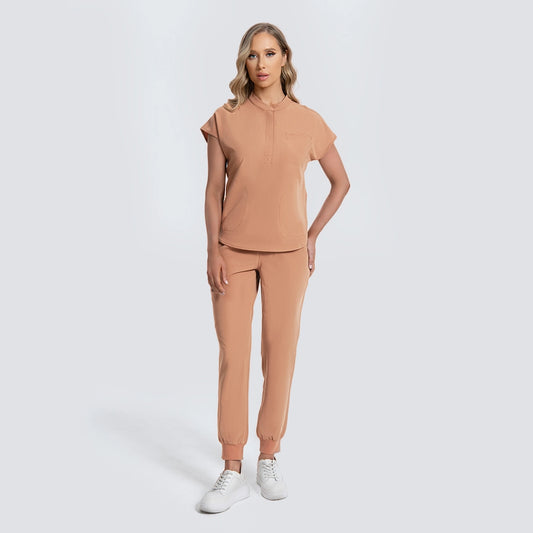
Medical scrubs have evolved far beyond simple clinical uniforms. In 2026, they represent a fast-growing global industry driven by healthcare expansion, infection control standards, fabric innovation, and digital commerce.
According to recent market projections, the global medical scrubs market is expected to grow from approximately $48.3 billion in 2023 to $85.8 billion by 2033, reflecting sustained long-term demand.
For healthcare professionals across the United States and Europe — including physicians, nurses, medical students, and veterinarians — this growth directly impacts product quality, safety standards, sustainability, and purchasing behavior.

1. Global Market Size and Growth Outlook
The medical scrubs industry continues to expand steadily, with a projected CAGR of approximately 5.9% over the next decade.
Key Growth Drivers
- Expansion of hospital infrastructure
- Growth of outpatient surgical centers
- Rising demand for infection control compliance
- Increased healthcare staffing levels
- Direct-to-consumer purchasing trends
This growth reflects structural healthcare expansion rather than short-term fluctuations.
2. Infection Control Remains Central
Scrubs play a supporting role in broader infection prevention strategies.
While hand hygiene and surface sanitation remain foundational, medical apparel contributes by:
- Reducing cross-department contamination
- Standardizing clinical dress codes
- Supporting hygiene protocols
Hospitals in both the US and Europe continue strengthening uniform policies as part of comprehensive infection prevention programs.
3. Fabric Innovation Is Reshaping the Industry
Modern scrubs increasingly incorporate performance-driven textile technology.
Antimicrobial Fabrics
Many brands now integrate:
- Silver-ion treatments
- Antimicrobial coatings
- Odor-resistant finishes
These technologies aim to reduce microbial growth between laundering cycles.
Important: Antimicrobial fabrics supplement — not replace — hand hygiene practices.

Moisture-Wicking & Stretch Performance
Long clinical shifts demand:
- Breathability
- Sweat management
- Four-way stretch flexibility
- Lightweight durability
Comfort is no longer optional — it directly influences physical fatigue and performance.
Emerging Smart Textiles
Though still developing, research into temperature-regulating fibers and embedded textile sensors may influence the next generation of medical uniforms.
4. Disposable vs Reusable Scrubs
Healthcare institutions continue evaluating cost, sustainability, and infection risk trade-offs.
Reusable Scrubs
Advantages:
- Long-term cost efficiency
- Higher fabric comfort
- Sustainability benefits
Challenges:
- Laundry logistics
- Upfront procurement investment
Disposable Scrubs
Advantages:
- Reduced laundering management
- Lower contamination transfer in high-risk areas
Challenges:
- Environmental footprint
- Recurring purchasing costs
Many facilities now adopt hybrid models depending on department risk levels.
5. Regional Trends: United States vs Europe
United States
- Strong private healthcare market
- High adoption of premium scrub brands
- Increasing clinician-driven purchasing decisions
- Rapid ecommerce growth
Healthcare professionals increasingly purchase scrubs independently rather than relying solely on hospital-issued uniforms.
Europe
- Public healthcare procurement systems dominate
- Stronger sustainability policies
- Growing focus on durable and recyclable textiles
European institutions are more proactive in environmental compliance.

6. Ecommerce Is Transforming Scrub Purchasing
Digital retail has significantly changed market dynamics.
Healthcare professionals now expect:
- Transparent size guides
- Peer reviews
- Fast shipping
- Easy returns
- Subscription restocking options
Social media platforms increasingly influence scrub brand discovery among younger clinicians.
7. Sustainability and the Future of Medical Apparel
Environmental accountability is becoming a major industry focus.
Future directions include:
- Recycled polyester blends
- Lower-water dyeing processes
- Durable extended-life garments
- Reduced packaging waste
Sustainability is especially influential in European procurement decisions.
Conclusion
The global medical scrubs market in 2026 reflects:
- Steady structural growth
- Textile innovation
- Digital transformation
- Increasing sustainability awareness
For healthcare professionals, this translates to greater choice — but also the need to evaluate apparel based on performance, hygiene compatibility, durability, and responsible production practices.
Scrubs are no longer just uniforms. They are performance tools in modern healthcare environments.
Frequently Asked Questions (FAQ)
Are antimicrobial scrubs worth it?
They provide added support in reducing microbial growth but must complement standard infection control protocols.
How often should scrubs be replaced?
Replacement depends on wear intensity and laundering frequency. Visible fabric thinning, fading, or loss of elasticity are key indicators.
Do premium scrubs improve comfort?
Higher-quality fabrics typically offer better stretch, breathability, and moisture control, which may reduce fatigue during long shifts.
Is sustainability becoming mandatory?
In Europe, sustainability is increasingly influencing procurement. In the US, clinician-driven demand for eco-friendly products is growing.