


1. Introduction
In recent years, antimicrobial textiles have emerged as a transformative innovation in the field of medical apparel, including medical scrubs, lab coats, and other clinical uniforms. These textiles are specially engineered to inhibit the growth of bacteria, fungi, and other pathogens, helping reduce contamination risks while improving hygiene standards in healthcare environments.
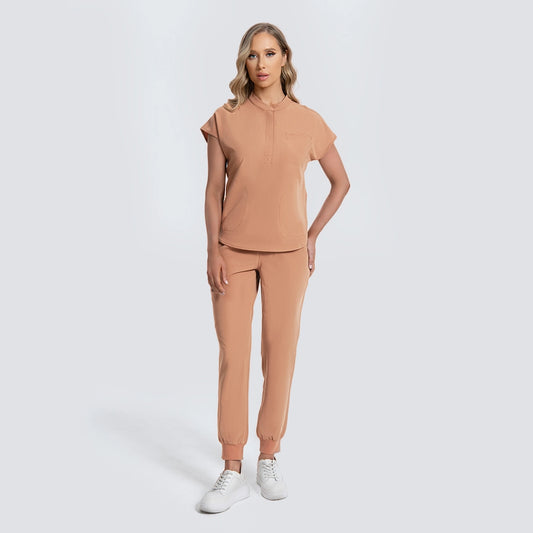
Medical scrubs are one of the most visible applications of antimicrobial textiles. Doctors, nurses, medical students, veterinarians, and other healthcare professionals wear these garments for extended hours every day while working in clinical environments where exposure to pathogens is common.
Traditional scrubs provide basic coverage but do not actively protect against microbial contamination. Antimicrobial textiles add an additional layer of defense while maintaining comfort, breathability, and freedom of movement.
Understanding antimicrobial textiles is not only important for healthcare professionals, but also for hospitals and clinics. These materials can help reduce healthcare-associated infections (HAIs), support compliance with regulatory standards, and meet the growing demand for sustainable healthcare products.
The antimicrobial textile market is growing rapidly, driven by both clinical needs and technological innovations.

Key Takeaways
Antimicrobial textiles actively inhibit microbial growth and odor.
Scrubs and medical uniforms play an important role in infection control when enhanced with antimicrobial properties.
Clinical effectiveness and market opportunities are driving the rapid adoption of antimicrobial textile technologies.
2. Market Growth Trends
The global antimicrobial textiles market is expected to experience explosive growth over the next decade. Industry projections estimate the market will reach approximately $25.55 billion by 2035, fueled by healthcare expansion, consumer demand, and technological advancement.
Regional Market Drivers
North America
North America has one of the highest adoption rates of premium antimicrobial scrubs and healthcare apparel. The presence of advanced healthcare infrastructure and strong purchasing power among healthcare workers contributes to this demand.
Europe
European healthcare systems place strong emphasis on sustainability and environmental compliance. This has increased demand for durable and recyclable antimicrobial textiles.
Asia-Pacific
Rapid hospital construction, improved healthcare access, and growing awareness of infection control are driving strong growth across the Asia-Pacific region.
Latin America and the Middle East
Emerging hospital infrastructure and international healthcare investments are gradually expanding the antimicrobial textile market in these regions.

Key Growth Drivers
Rising Concern About Healthcare-Associated Infections
Hospitals worldwide are investing in antimicrobial uniforms to help reduce the spread of infections within clinical environments.
Technological Innovation
Advanced coatings, silver-ion integration, and antimicrobial polymer fibers are improving durability and effectiveness.
E-commerce and Direct-to-Consumer Sales
Healthcare professionals increasingly purchase high-performance scrubs directly online, creating new market segments.
Regulatory and Sustainability Pressure
Both consumers and institutions are prioritizing environmentally friendly and clinically validated textile products.
Together, these factors indicate long-term stability and strong opportunities for textile manufacturers and healthcare organizations.

3. Key Companies and Innovations
The antimicrobial textile industry is highly competitive, with leading chemical and textile companies introducing innovative technologies.
Industry Leaders
DuPont
Known for advanced antimicrobial polymer and silver-ion technologies that can be integrated into durable fabrics.
BASF
Develops environmentally friendly antimicrobial coatings suitable for both clinical and industrial textiles.
Indorama Ventures
Focuses on recyclable antimicrobial fibers, combining sustainability with performance.
iFabric Corp
Recently introduced clinically validated antimicrobial scrubs using PROTX2® coating and ecoPEL™ recyclable fibers, demonstrating significant bacterial reduction.
Technology Innovations
Silver-Based Antimicrobial Treatments
Silver ions disrupt bacterial cell walls and prevent microbial reproduction. These treatments remain effective even after repeated washing cycles.
Polymer-Coated Fabrics (e.g., PROTX2®)
These coatings create a microscopic protective layer on fabric surfaces that actively neutralizes pathogens.
They can also be integrated into stretch fabrics and moisture-wicking textiles to ensure comfort during long work shifts.
Recyclable Antimicrobial Fibers (e.g., ecoPEL™)
These fibers combine sustainability and antimicrobial performance, reducing environmental impact while maintaining clinical effectiveness.
Smart Textile Integration
Early-stage research is exploring textiles embedded with sensors capable of detecting microbial presence, humidity, or temperature.
In the future, these smart fabrics may provide real-time alerts for infection control in high-risk hospital departments.
These innovations demonstrate the dual drivers of the market: clinical performance and consumer preference for comfortable, durable, and sustainable medical apparel.

4. Applications Beyond Scrubs
Although scrubs remain a primary application, antimicrobial textiles are increasingly used throughout healthcare environments.
Hospital Linens
Bedsheets, pillowcases, and patient gowns can be manufactured with antimicrobial coatings to reduce pathogen loads.
Studies suggest hospital rooms using antimicrobial linens may experience significantly lower bacterial counts on surfaces, helping reduce the risk of HAIs.
Curtains and Personal Protective Equipment (PPE)
Hospital curtains are frequently touched surfaces but often overlooked in infection control.
Antimicrobial treatment can reduce microbial buildup on curtains and partitions.
PPE items such as lab coats, isolation gowns, and gloves can also incorporate antimicrobial fibers to enhance protection.
Home Healthcare
With the rise of outpatient care and home healthcare services, antimicrobial textiles are increasingly used in uniforms worn by caregivers and in patient bedding.
Families caring for immunocompromised patients may also prefer antimicrobial textiles to reduce infection risks at home.
These expanding applications demonstrate that antimicrobial textiles are becoming an important component of the broader healthcare ecosystem.
5. Sustainability and Regulatory Trends
Sustainability is increasingly shaping the production and purchasing decisions for healthcare textiles.
Eco-Friendly Coatings
Manufacturers are developing environmentally friendly production methods such as:
Recyclable polyester fibers
Low-water dyeing technologies
Biodegradable antimicrobial agents
European healthcare systems in particular emphasize environmentally responsible products, influencing procurement policies and supplier selection.
Consumer and Institutional Demand
Healthcare professionals increasingly prefer uniforms that combine performance, comfort, and sustainability.
Transparency regarding textile safety and regulatory compliance is also becoming essential for market acceptance.
Organizations such as the FDA and European regulatory bodies provide guidance regarding antimicrobial effectiveness and safety labeling.
The combination of sustainability, clinical validation, and regulatory compliance is accelerating market adoption.

6. Benefits for Healthcare Professionals
Antimicrobial textiles offer several direct advantages for clinical staff.
Reduced Infection Risk
Antimicrobial scrubs and lab coats can actively inhibit bacterial growth and help reduce cross-contamination risks.
Clinical testing has shown that antimicrobial scrubs can reduce bacterial presence by up to 99% during typical work shifts.
Extended Fabric Lifespan
Antimicrobial fabrics resist odor and microbial degradation, allowing uniforms to maintain quality for longer periods.
Hospitals may reduce laundering costs and decrease the frequency of uniform replacement.
Comfort and Performance
Modern antimicrobial fabrics maintain key features such as breathability, moisture-wicking properties, and stretchability.
Improved comfort helps reduce fatigue during long clinical shifts and supports better work performance.
Overall, these benefits improve healthcare worker safety, patient care quality, and hospital operational efficiency.
7. Conclusion
The antimicrobial textiles market is entering a phase of rapid expansion, with significant implications for medical apparel — particularly scrubs.
Key trends shaping the industry include:
Clinically validated uniforms improving infection control outcomes
Technological advancements providing long-lasting protection and comfort
Expanding applications beyond scrubs into linens, curtains, and PPE
Sustainability and regulatory requirements driving eco-friendly innovation
Healthcare manufacturers, hospitals, and professionals should stay informed about these developments in order to improve patient care, reduce HAI risks, and enhance workplace safety.
FAQs
Are all antimicrobial textiles safe?
Most commercially available antimicrobial textiles comply with regional safety and regulatory standards. However, healthcare professionals and institutions should verify certifications to ensure fabrics do not contain harmful chemicals.
Do antimicrobial textiles replace cleaning protocols?
No. Antimicrobial textiles complement but do not replace hand hygiene, surface disinfection, or standard laundering procedures.
How long do antimicrobial properties last?
Depending on fabric type, coating technology, and washing frequency, antimicrobial performance typically lasts 50–75 wash cycles. Following manufacturer care instructions helps maintain optimal performance.