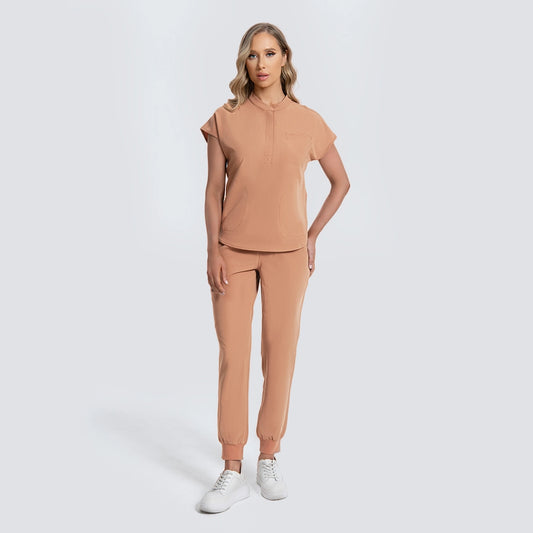



The best scrubs for men are not defined by one fabric, fit or pocket count. A pair that works perfectly for a physician in a private clinic may feel impractical for a nurse moving through a busy hospital unit. Likewise, the scrubs preferred by a dental professional may not provide the durability and coverage needed by a veterinary technician.
Your healthcare role affects how much you move, what you carry, the environment you work in and the level of formality expected from your uniform. Understanding these differences can help you choose scrubs that feel comfortable, look professional and perform reliably throughout the day.
Here is what men should look for when choosing scrubs for different healthcare roles.
Why Your Healthcare Role Should Influence Your Scrub Choice
Most healthcare professionals share a few basic requirements: comfort, easy care and dependable coverage. Beyond those essentials, however, the ideal features can vary considerably.
Someone working a twelve-hour hospital shift may walk long distances, assist with transfers and move repeatedly between warm patient rooms and cooler corridors. A physician in an outpatient clinic may spend more time consulting with patients and may prioritize a clean, tailored appearance. Veterinary teams frequently kneel, lift animals and encounter fur, moisture and stains.
Before buying new scrubs, consider four questions:
- How much bending, lifting and walking does your job require?
- Which items do you need to carry?
- Does your workplace have a strict dress code?
- How frequently will you need to wash your uniform?
The answers will help determine the right fabric, fit, pocket configuration and pant style.
Best Scrubs for Male Nurses
Male nurses often work in fast-paced environments where unrestricted movement is essential. A typical shift can involve walking, reaching, repositioning equipment and assisting patients. Scrubs for nurses should move with the body without becoming excessively loose.
A fabric with two-way or four-way stretch is particularly useful. Four-way stretch allows movement both across and along the fabric, reducing resistance when squatting, bending or taking long steps. Breathable, moisture-managing material can also improve comfort during physically demanding shifts.
The top should provide enough space across the shoulders and upper back. At the same time, it should not be so wide that excess fabric catches on equipment. Side vents can improve mobility and help an untucked top sit naturally over the hips.
Storage is another priority. A chest pocket, two front pockets and at least one secure pant pocket will meet the needs of many nurses. Internal dividers for pens or small tools can keep frequently used items organized. However, too many loaded pockets may pull the uniform out of shape, so the layout matters more than the total number.
For pants, tapered or athletic-fit styles provide a modern appearance while preserving room through the seat and thighs. A flexible waistband with both elastic and an adjustable drawcord helps the pants stay secure when the pockets are carrying extra weight.

Best Scrubs for Male Doctors
Doctors may divide their day between consultations, examinations, rounds and administrative duties. Their scrubs need to support movement, but they may also need to create a more refined impression in front of patients and colleagues.
A tailored or modern-classic fit often works well. The shoulder seams should sit close to the natural shoulder line, and the body of the top should follow the torso without feeling tight. A clean V-neck or tuck-in scrub top can create a streamlined silhouette, especially when paired with tapered or straight-leg pants.
Physicians who wear a lab coat may prefer scrub tops with fewer bulky exterior pockets. Large items stored under a coat can create uncomfortable pressure, so a single chest pocket or discreet side pockets may be sufficient.
Wrinkle resistance is especially valuable for roles that move between clinical and professional settings. A fabric that maintains its structure throughout the day can help scrubs continue to look polished after hours of sitting, walking and wearing a coat.
Colors such as navy, charcoal, black and deep teal are versatile choices when workplace rules allow them. They coordinate easily with lab coats and professional footwear while presenting a calm, understated appearance.
Best Scrubs for Male Dental Professionals
Dentists, dental hygienists and dental assistants work at close range with patients. Their uniforms should appear clean and approachable while allowing comfortable movement through the shoulders, arms and upper back.
Because dental professionals frequently lean forward or maintain the same position for extended periods, stretch across the back and shoulders is important. A scrub top with ergonomic seams or a small amount of elastane can reduce pulling when the arms are extended.
Dental work may also involve splashes and frequent surface contact. Smooth, quick-drying fabric is often more practical than material that absorbs moisture easily. The fabric should be durable enough for frequent laundering and should maintain its color and shape over time.
A streamlined top with limited exterior bulk is usually appropriate in dental environments. One chest pocket and discreet lower pockets may provide enough storage without interfering with movement near the treatment chair.
Tapered pants offer a neat appearance, while a mid-rise elastic waistband remains comfortable during repeated sitting and standing. Pant legs should be short enough to stay clear of the floor but long enough to maintain coverage when seated.

Best Scrubs for Veterinary Teams
Veterinarians and veterinary technicians face a particularly physical and unpredictable work environment. Their shifts may involve lifting animals, kneeling on the floor, cleaning exam areas and moving quickly between appointments.
Durable stretch fabric is one of the most important features for this role. The material should provide flexibility through the knees, hips and shoulders while resisting abrasion from repeated contact with floors, tables and carriers.
Veterinary scrubs also benefit from practical coverage. A top that is slightly longer at the back can help maintain coverage when crouching or bending. Reinforced seams in high-stress areas may improve durability, especially around pockets, the inner thighs and the crotch.
Secure pockets are useful because loose objects can fall out when kneeling or handling an animal. Zippered pockets or deeper cargo pockets can protect keys, cards and phones. Smooth fabrics that release fur more easily can also make daily maintenance less frustrating.
Forest green, navy, charcoal and other medium-to-dark shades are popular practical choices because they provide a professional look while making minor marks less noticeable.

Best Scrubs for Physical Therapists and Rehabilitation Teams
Physical therapists and rehabilitation professionals demonstrate exercises, support movement and spend significant time bending, reaching and working at different heights. Their scrubs should feel closer to athletic wear than rigid uniforms.
Lightweight four-way stretch fabric is an excellent starting point. It should recover after stretching rather than becoming loose at the knees or seat. Breathability is also important because rehabilitation work can be physically active.
Jogger or tapered scrub pants can work particularly well in these settings. Their narrower lower leg reduces excess fabric around the ankles and makes it easier to demonstrate movement. The waistband should stay secure without digging into the body during floor exercises.
For tops, raglan-style sleeves, stretch panels and side vents can improve the range of motion. A slightly athletic cut may look polished while still allowing space through the chest, shoulders and arms.
Best Scrubs for Laboratory and Diagnostic Professionals
Laboratory and diagnostic roles may involve less lifting than bedside care, but they require precision, cleanliness and reliable storage.
A simple, streamlined scrub set can fit comfortably beneath a lab coat or other protective equipment. Lightweight fabric reduces unnecessary bulk, while wrinkle resistance helps maintain a professional appearance.
Pocket needs depend on the workplace. Some professionals may need pen slots, an ID pocket or secure storage for small personal items. Others may prefer minimal pockets because tools and samples are stored separately according to workplace procedures.
Straight-leg or gently tapered pants are practical choices. They should allow comfortable sitting and standing without creating excess fabric around workstations.
How Should Men’s Scrubs Fit?
Regardless of healthcare role, good scrubs should allow natural movement without looking oversized.
The shoulder seam should sit near the edge of the shoulder. The sleeves should allow the arms to move freely, and the top should remain long enough to provide coverage when reaching upward. There should be sufficient space across the chest and back without large folds of extra fabric.
Scrub pants should fit securely at the waist and provide room through the seat and thighs. The waistband should remain in place when sitting, squatting or walking with filled pockets. The rise should feel comfortable and should not pull downward when bending.
Length is equally important. Straight-leg pants should reach the top of the shoe without dragging on the floor. Tapered pants can finish close to the ankle, while joggers are designed to sit slightly higher because of their cuffs.
Always consult the brand’s size chart. Scrub sizing may differ from jeans, athletic clothing and everyday shirts.
Straight-Leg, Tapered or Jogger Scrub Pants?
Straight-leg pants offer a traditional appearance and consistent room from the thigh to the ankle. They suit many body types and are usually accepted in conservative dress-code environments.
Tapered pants gradually narrow toward the ankle. They provide a more contemporary silhouette while still looking professional, making them a versatile choice for many healthcare roles.
Jogger scrubs use elastic or ribbed cuffs to keep the hems off the floor. They are especially useful for active roles, although some formal clinics may prefer a more traditional style.
The best option depends on how you move, your workplace requirements and the footwear you usually wear.

Choosing the Right Fabric
A balanced scrub fabric should feel comfortable at the beginning of a shift and remain presentable at the end.
Cotton adds softness and breathability but may absorb moisture and wrinkle more easily. Polyester improves durability, color retention and drying time. Spandex or elastane adds flexibility and can improve freedom of movement.
Many high-performing scrubs combine these fibers to balance comfort and practicality. When comparing fabrics, consider stretch, weight, breathability, opacity and care requirements rather than focusing on one fiber alone.
The material should not be so thin that pocket contents or underlayers become visible. It should also recover after stretching and withstand repeated washing without fading, pilling or losing its shape.
Pockets: More Is Not Always Better
The ideal number of pockets depends on what you actually carry. Extra pockets can be useful, but they may also add bulk and encourage overloading.
Choose pockets based on function:
- Chest pockets work well for pens, ID cards and small notepads.
- Front top pockets provide quick access to frequently used items.
- Cargo pockets can hold phones, gloves and compact tools.
- Zippered pockets protect keys, cards and personal belongings.
- Internal dividers prevent small objects from moving around.
Pocket placement should allow you to sit, bend and kneel comfortably. A phone pocket directly over the knee, for example, may become uncomfortable during active work.
Final Thoughts
The best scrubs for men should match the realities of the job. Male nurses may prioritize stretch, breathability and organized storage. Doctors often benefit from tailored fits and wrinkle-resistant fabrics. Dental professionals need clean silhouettes and unrestricted upper-body movement, while veterinary and rehabilitation teams require durability and greater flexibility.
Start with your healthcare role, then consider fit, fabric, pockets, pant style and workplace dress requirements. Scrubs that support the way you actually work will feel more comfortable, look more professional and perform better throughout every shift.